🏷️ Name Tag Generator
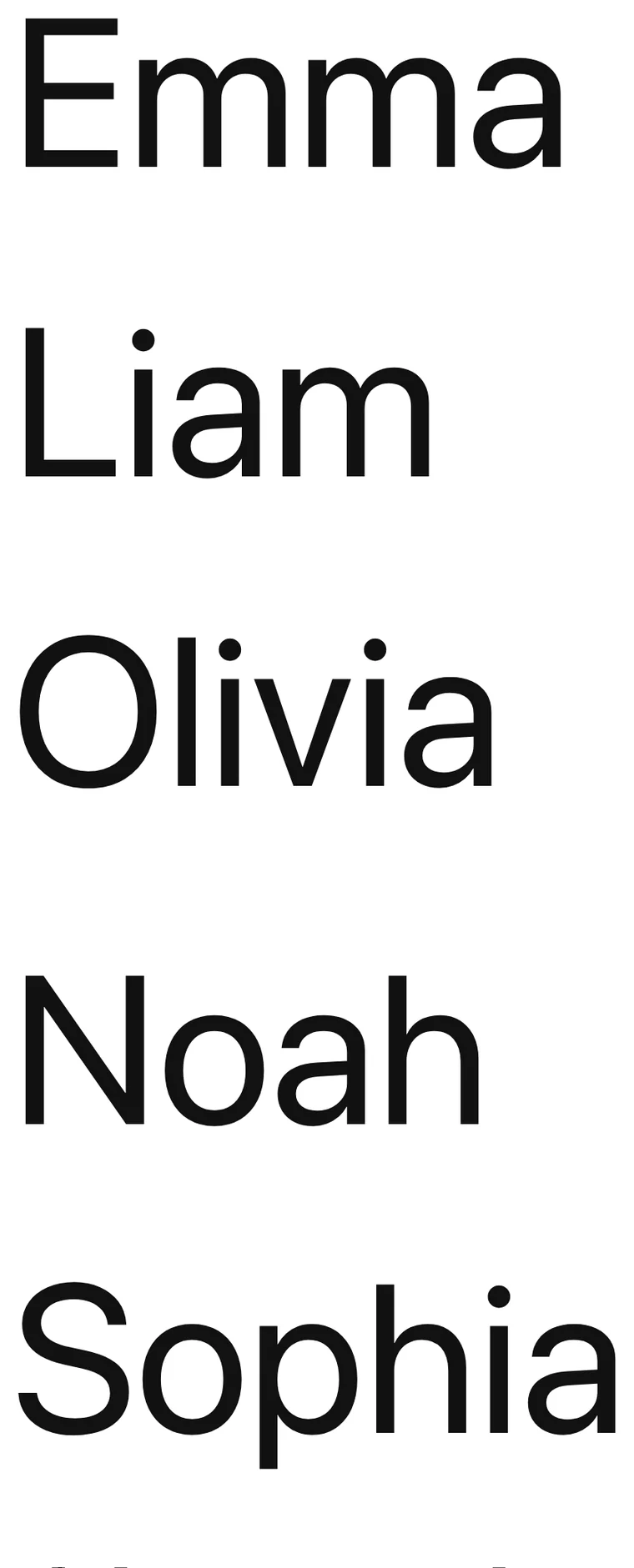
Paste the class list once and print it three ways: big signs (one per page), desk name plates (three per page with cut lines), and small labels for cubbies, folders and hooks (eight per page). Names come out big, bold and consistent: the way early readers need to see them everywhere in the room.
🖨️ Prints on one page ⚡ Instant preview 🆓 Free, no sign-up
Desk plates and cubby labels print with dashed cut lines. Laminate once, use all year.
What it prints
How to make a name tag in 4 steps
- 1 Paste the class list One name per line. Thirty names take about two minutes, which is the case this exists for.
- 2 Set the size for the distance Bigger than feels right on screen. A desk tag is read from a metre, a coat hook label from three.
- 3 Add a few blanks Print three or four spares with no name. There is always a late arrival in the first fortnight.
- 4 Print on cardstock and fold Fold down the middle so the name shows on both sides, and tape the base to the desk rather than the tag.
Size the name for the distance it will be read from
The usual mistake is designing a name tag at arm's length on a screen and then using it across a room. The rule of thumb for legibility is roughly 25mm of letter height for every 10 metres of viewing distance, and classrooms are bigger than they feel.
| Use | Read from | Name height |
|---|---|---|
| Desk tag | About 1m | 20 to 25mm |
| Badge or lanyard | 1 to 2m | 15 to 20mm |
| Cubby or coat hook label | 2 to 3m | 25 to 30mm |
| Front of the room | 6m or more | 50mm or more |
First names only, in the letterform they are learning
Surnames add width, halve the size of the first name, and are not what anybody reads the tag for. Leave them off unless there are two of the same name, and then add the initial rather than the whole surname.
For a class still learning to write, set the tag in the same letterform they are being taught. A desk tag is the text a child sees more often than any other, so a tag in a different letter shape from the handwriting scheme quietly works against it. In practice that means a simple single-storey a and g rather than the two-storey shapes most fonts default to.
Capital first letter, lowercase for the rest, for the same reason as name tracing: it is the target form and the tag is a free model of it all year.
Desk tags, cut and fold
A folded tent tag beats a flat sticker for a desk. It stays readable from a standing adult's eye level, it survives a week, and it does not peel off and end up on the floor.
Print on cardstock, fold along the middle so the name appears on both sides, and tape the base to the desk rather than the tag itself. Taping the tag means peeling tape off the print when you move it.
For younger classes, put the name on the outside and something the child chose on the inside. It gives them a reason to keep it intact, which is most of the battle.
The first week of school, in bulk
Paste the whole class list in one go and print the set. That is the case this tool exists for and it takes about two minutes for thirty names.
Print three or four spares with no name on them. There is always a late arrival in the first fortnight and a hand-written tag on the desk of a new child on their first day is a small thing that they notice.
Check the spelling against the register rather than the list you were given verbally. Getting a child's name wrong on the thing that sits on their desk is a bad first week, and accented characters are the ones that get dropped in transcription.
Frequently asked questions
Why is the first letter a different color?
Because the initial is the first thing a young child recognizes in their own name. Highlighting it helps them find their tag in a pile and their cubby in a row: and you can turn it off with one click if you prefer plain print.
Should I print names in Title Case or ALL CAPS?
Most US and UK early-childhood programs teach names in Title Case (Emma, not EMMA), because that's how names appear in books, so it's the default. The all-caps option is there for schools that teach uppercase first: both are one click away.
What sizes come out of each format?
Big signs fill a whole page: good for doors, walls and the first-day welcome table. Desk plates come three per page with dashed cut lines, sized for the front edge of a desk. Labels come eight per page, right for cubbies, folders, hooks and pencil boxes.
Do accented names print correctly?
Yes. The tag shows exactly what you type, so José, Zoë, Ñoa and María come out with their accents intact in every size. A child's name spelled right is non-negotiable, and the highlight on the first letter works the same whether it's an A or an Á.
A student joined mid-year: do I have to reprint everything?
No. Delete the other names, leave the new student's, and print a single page. The font, size and colors stay identical to the tags you printed in August, so the new tag doesn't mark anyone as 'the new kid'.
How big should the letters on a name tag be?
Roughly 25mm of letter height for every 10 metres of viewing distance. In practice: 20 to 25mm for a desk tag read from a metre, 25 to 30mm for a coat hook label read from three, 50mm or more for anything read from the front of the room.
Should name tags show surnames?
Only when two children share a first name, and then add an initial rather than the whole surname. A surname adds width and halves the size of the first name, which is the part anybody actually reads.