Free printable worksheets
Ready-made shadow matching sheets for preschool and kindergarten. No generator needed here: open a set, hit print, hand it out. Free to copy for your classroom or home.
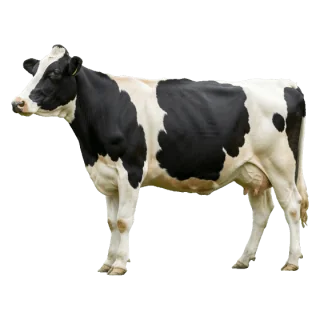
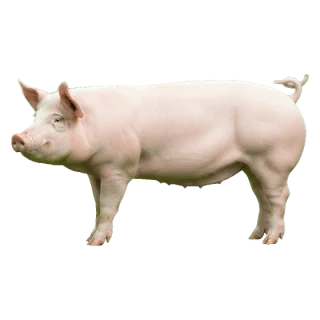
Farm Animals
6 pairs to match · one page

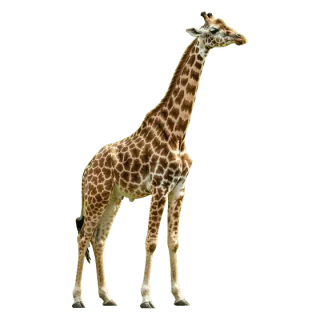
Wild Animals
6 pairs to match · one page
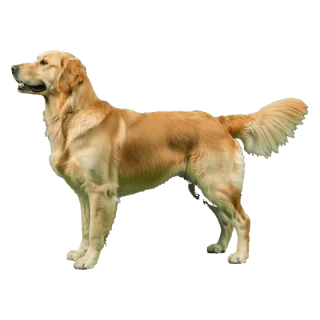
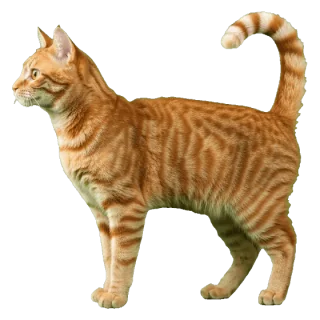
Pets
4 pairs to match · one page

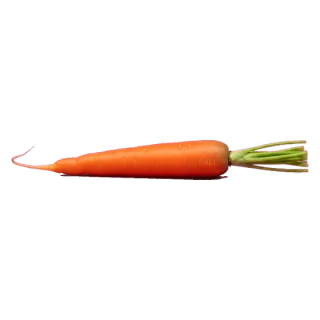
Fruits & Vegetables
6 pairs to match · one page
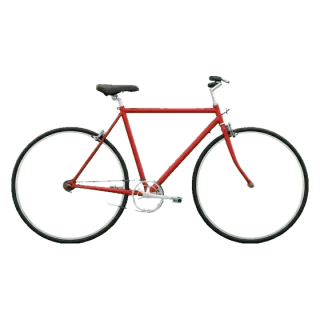
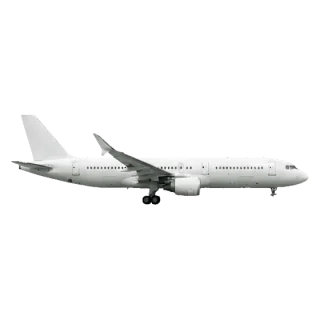
Transportation
6 pairs to match · one page
Which sheet to start with
The five sets are not equally hard, and handing a three year old the wrong one first is the quickest way to put them off. The order below is by difficulty, not by topic.
| Sheet | Pairs | Difficulty | Why |
|---|---|---|---|
| Pets | 4 | Easiest | Fewest pairs, most space, animals they have met |
| Wild animals | 6 | Easy | Every silhouette has one unmistakable feature |
| Fruits and vegetables | 6 | Medium | Three round shapes that need a second look |
| Farm animals | 6 | Medium | The cow and the horse are genuinely confusable |
| Transportation | 6 | Hardest | Silhouettes made mostly of empty space |
What shadow matching actually trains
Matching a picture to its silhouette is visual discrimination: noticing shape when colour, texture and detail have all been removed. That is the same skill a child needs to tell b from d and n from h, which is why it turns up in almost every pre-reading programme.
The part that does the work is the second look. A child who gets every pair instantly was not stretched, and a sheet where one pair needs real attention is worth five that do not. That is why the farm animals sheet keeps the cow and the horse, and why transportation exists at all.
Say the words out loud while the lines are drawn. The matching is visual, the naming is vocabulary, and doing both at once costs nothing and roughly doubles what the five minutes are worth.
How to print them
Set the printer to Actual Size rather than Fit to Page, which shrinks the pictures and leaves an uneven margin. Plain paper is fine for a sheet that gets drawn on once. For something reusable, print one copy, slide it into a plastic sleeve and use a dry-wipe pen: the same sheet then lasts a fortnight, and children who resist worksheets are noticeably more willing when mistakes wipe off.
Only the worksheet prints. This page, the navigation and this text do not come with it. Everything here is free to photocopy for a classroom, a home or a therapy room, with no sign-up and no watermark.
Printing for a class versus for one child
These are the same five sheets either way, but what you do with them is not. For one child at home, print one at a time and stop while they still want another. Five minutes with a sheet they enjoyed beats twenty with three sheets and a scribble at the end, and the fastest way to make a four year old refuse worksheets is to hand over a stack.
For a class, print the same sheet for everybody rather than differentiating by difficulty. A child who notices they got the easy one has learned something you did not intend to teach. Differentiate through the question instead: the children who need stretching get asked why, and the ones who need support get the pictures named for them before they start. Same page, same table, different amount of help.
If you are printing for a nursery or a therapy room, the plastic sleeve and dry-wipe pen approach is worth the ten seconds of setup. Five laminated sheets cover a full group indefinitely, they survive being dropped and sat on, and the wiping is itself something a three year old enjoys doing.
Why these are not generated
Everything else on this site is a generator, because for spelling, handwriting and word searches the words a teacher needs are never the words in a ready-made pack. Shadow matching is the exception. The content is pictures rather than text, so there is nothing for you to type, and a generator would just be a slower way to reach the same five pages.
The moment there is a word list involved, a generator wins again. That is why the natural next step from these sheets is a tool rather than another printable.
When to move on from matching
Shadow matching stops teaching much once a child is reliably fast at it, usually around five. The natural next step is matching words rather than pictures, which the matching worksheet generator builds from any pairs you type, and letter formation, which the name tracing generator starts with the word they have the most reason to write.
Questions about these printables
What age are shadow matching worksheets for?
Three to six. Below three, drawing a line across a page is the hard part rather than the matching, so cut the sheet in half and match the pieces instead. Above six the matching is trivial, and the way to keep using them is to change the question: describe the animal instead of naming it, or ask for a reason on every line.
Do I need to sign up or pay?
No. There is no account, no email and no watermark. Print and photocopy as many as you need for a classroom, a home or a therapy room.
Which sheet should I start with?
Pets, which has four pairs instead of six and a lot of space around them. Then wild animals, where every silhouette has one unmistakable feature. Leave transportation until last, because two of its shadows are mostly empty space and it is a genuinely harder kind of looking.
What does shadow matching actually teach?
Visual discrimination: noticing shape when colour, texture and detail have been removed. That is the same skill a child needs to tell b from d and n from h, which is why it appears in most pre-reading programmes. The naming that happens alongside it does the vocabulary half.
Can I reuse a sheet instead of printing one per child?
Yes. Print one copy, slide it into a plastic sleeve and use a dry-wipe pen. The same sheet then covers a fortnight of practice, and children who resist worksheets are noticeably more willing when mistakes wipe off.
Why shadow matching?
Matching a picture to its silhouette trains visual discrimination, noticing shape without the help of color or detail, which is one of the small skills that later feed into letter recognition. It's also a genuinely fun five minutes, which for a three-year-old is the entire point. Pair the sheets with the matching worksheet generator when your kids graduate to words.