🖨️ Shadow Matching: Farm Animals
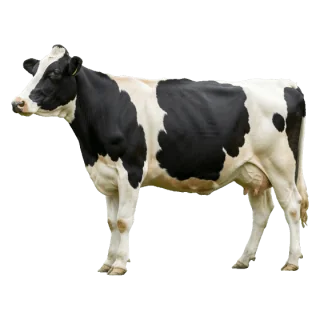
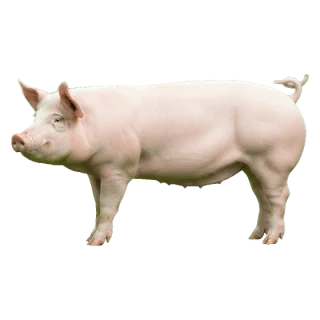
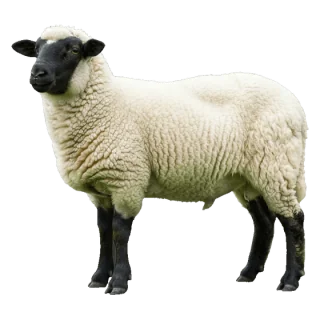
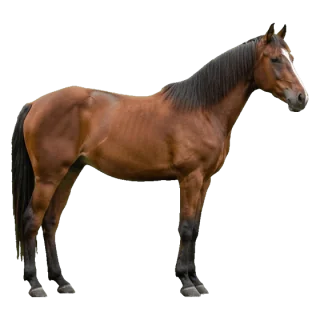
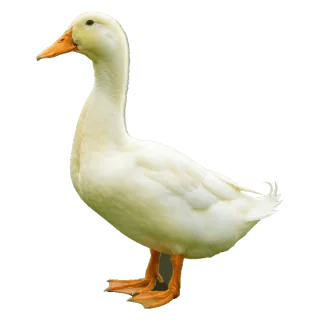
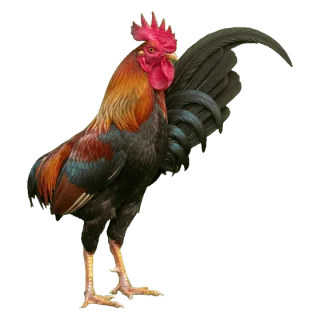
Cow, pig, sheep, horse, duck and rooster, each with its shadow on the other side of the page. Draw the lines, and say each animal's sound out loud while you do it.
Draw a line from each picture to its shadow.
What to watch for on this sheet
The cow and the horse are the two that get mixed up on this page: both are big, four-legged, and shown in profile. Point out the horns and the tail before starting and the sheet stops being solvable by guessing.
How to use it
Print it, hand over one pencil, and have the child make each animal's sound before drawing the line. The sound is the part that makes this sheet stick, because it is the one category where every animal has one. Expect the cow and the horse to be the pair that needs a second look.
The vocabulary this sheet is really teaching
Six animals is the visible content. The useful part is what gets said out loud while the lines are being drawn, and farm animals carry more language than any other category on this site because almost every one has a separate word for its young, its sound and its product.
| Animal | Its young | Its sound | What it gives us |
|---|---|---|---|
| Cow | Calf | Moo | Milk |
| Pig | Piglet | Oink | - |
| Sheep | Lamb | Baa | Wool |
| Horse | Foal | Neigh | - |
| Duck | Duckling | Quack | Eggs |
| Rooster | Chick | Cock-a-doodle-doo | - |
Why the cow and the horse are the hard pair
Every shadow matching sheet has one pair that separates the children who are looking from the children who are guessing. Here it is the cow and the horse: both large, both four-legged, both drawn in profile, and in silhouette they lose the colour and the markings that make them obvious in the picture.
That is the point of the sheet rather than a flaw in it. Before starting, point at the two shadows and ask what is different. The answers you are fishing for are the horns and the shape of the tail, and a child who finds them has done real visual discrimination rather than pattern matching.
If a child pairs them wrongly, do not correct it directly. Ask them to find the horns on the picture, then look for horns on the shadow. Self-correction sticks and being told does not.
Where to take it next
Farm animals are the category with the most obvious follow-on, because the sounds are a whole activity of their own. Cover the pictures, make the sound, and have the child point at the right shadow. It is the same discrimination task with the visual channel removed.
Sorting works well here too: which of these six live in a field, which live in a barn, which can swim. There is no single right answer to the last one, which is what makes it worth asking.
For a child who has done the sheet once, hand it back with the instruction to name each animal's baby instead of the animal. Same page, harder task, no printing.
Getting a week out of one sheet
One printed page can carry five days of five-minute activities without printing anything else, which matters if you are running a class or a nursery on a copying budget.
Monday, match the shadows as intended. Tuesday, cover the pictures and make the sounds while the child points at the shadows. Wednesday, name the babies instead of the adults: calf, piglet, lamb, foal, duckling, chick. Thursday, sort them into which live in a field and which live in a barn. Friday, hand it back and ask which one is missing from the farm, which is a question with no correct answer and produces the best conversation of the week.
The reason this works is that the difficulty comes from the question rather than the page. A child who has looked at these six pictures five times knows them well, and each new question makes them look again for something different, which is the whole mechanism.
If you laminate one copy or use a plastic sleeve, the drawing part is reusable too and the sheet survives a term rather than an afternoon.
Why a rooster and not a chicken
The sixth animal is a rooster rather than a hen, and it is the one choice on this sheet that gets questioned.
In silhouette a hen is a rounded blob with a small head, and it is uncomfortably close to the duck. The rooster has the tall comb and the arched tail feathers, which makes it the only bird shape on the page that cannot be confused with the other one. Picking the shape that reads clearly matters more than picking the more common animal, because an ambiguous pair makes the whole sheet unsolvable by looking.
It also opens the one bit of farm vocabulary children reliably get wrong. Rooster, hen and chick are three words for the same animal at different ages and sexes, and no other animal on this page works that way. A four year old who learns that the rooster and the hen are both chickens has learned something genuinely new, which is more than most worksheets manage.
Questions about this sheet
What age is this farm animals worksheet for?
Three to six. Below three the pencil control is usually not there yet for drawing a line across a page, and above six the matching is trivial. If it is too easy, use it with the pictures covered and the sounds called out instead, which works up to about seven.
Why is the rooster's baby a chick and not a rooster-let?
Because chick covers the young of the whole species and rooster only names the adult male. The hen is the adult female. It is the one animal on this sheet where the name changes with sex as well as age, which is worth mentioning to a child who asks.
Can I print this on both sides to save paper?
Yes, but print the second sheet on a separate page for young children. Drawing lines on a double-sided sheet means the pencil pressure shows through and the reverse side gets marked up before it is used.
What is the difference between a rooster, a hen and a chicken?
They are the same animal. Chicken is the species, a hen is an adult female, a rooster is an adult male, and a chick is the young of either. No other animal on this sheet works that way, which is why it is worth pointing out to a child who asks.