🖨️ Shadow Matching: Transportation
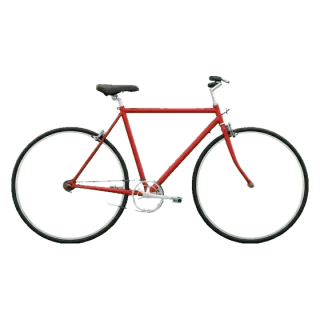
Car, bus, bicycle, train, sailboat and aeroplane. The hardest sheet of the five, because a bicycle in silhouette is mostly empty space and there is no overall shape to guess from.
Draw a line from each picture to its shadow.
What to watch for on this sheet
This is the sheet where the shadow teaches something the picture doesn't. A bicycle is mostly air, so its silhouette is a frame and two wheels instead of a solid shape: same with the sailboat. Kids who breezed through the animals slow down here, and that's exactly what it's for.
How to use it
Print it for a child who has already done at least one other sheet. Give them longer than you think they need, because the bicycle and the sailboat are silhouettes made mostly of gaps and the first reaction is usually to sit and stare. Resist pointing until they have looked for a while.
The only sheet where the shadow is harder than the picture
On every other page here, the silhouette is a simplified version of the picture: same outline, filled in black. Transportation breaks that, and it is the reason this sheet exists.
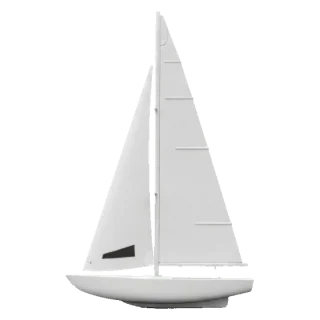
A bicycle is mostly air. Its silhouette is not a solid shape but a frame, two circles and a set of thin lines, and a child who has learned to match on overall blob shape has nothing to grab. The sailboat does the same thing: the hull is solid and the sail is a triangle of nothing.
Children who breezed through the animal sheets slow right down here, and that is the point. Matching an outline made of gaps requires attention to structure rather than to mass, which is a genuine step up in visual discrimination and the last one before this kind of worksheet stops being useful.
Sorting by where it goes
Transportation has the cleanest sorting activity of any category on the site, because the three groups are unambiguous and a four year old can do it without help.
| Group | From this sheet | The question to ask |
|---|---|---|
| On land | Car, bus, bicycle, train | Does it have wheels? |
| On water | Sailboat | Would it float? |
| In the air | Aeroplane | Does it have wings? |
Counting the wheels
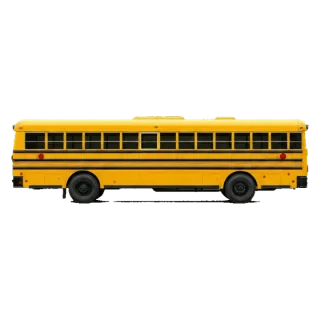
A second activity that costs nothing: go back over the finished sheet and count wheels. A bicycle has two, a car has four, a bus has more than you can see, a train has too many to count, and a sailboat and an aeroplane raise an argument worth having.
It works because it forces a return to the pictures with a different question, and re-examining something already declared finished is where a lot of the observation actually happens. It also quietly does some counting practice without announcing itself as maths.
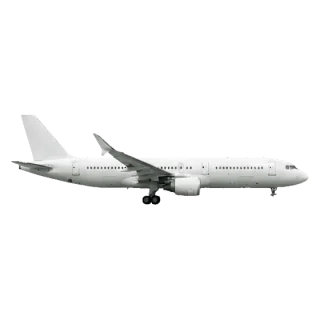
The aeroplane is the good one. Most children say none, and then someone remembers the wheels come down for landing, which is a genuinely sophisticated thing for a five year old to retrieve.
Road words, which are worth more than the vehicle names
The vehicle names on this sheet are almost certainly already known. The vocabulary that is not, and that matters more, is the language around them: crossing, pavement, platform, seatbelt, helmet, traffic light, station, runway.
Pick two or three and attach them to the pictures. Which of these needs a helmet, which one you wait for at a platform, which one you must not cross the road without looking for. That converts a matching sheet into the beginning of a road safety conversation, and it lands better attached to a picture the child has just spent five minutes studying than raised on its own.
Which one would you take
The follow-on question that gets the most out of this sheet is not about the vehicles, it is about the journey. Ask which one they would take to get somewhere, and name the somewhere.
To the shop at the end of the road. To school. To visit a grandparent in another city. To another country. To an island. Each answer requires the child to weigh distance against the vehicle, which is real reasoning rather than recall, and there is usually more than one defensible answer.
The good disagreements are the ones worth chasing. A bicycle to school is right for one child and impossible for another, and asking why produces a conversation about where they live. The sailboat to an island is obvious until someone points out the aeroplane, and then you get to talk about why anyone would choose the slower one.
It also sneaks in a lot of practical vocabulary without a lesson attached: far, near, quick, slow, expensive, tiring. Those words are harder to teach directly than any of the vehicle names, and they attach much better to a picture the child has just spent five minutes studying.
The two that break the pattern
Four of these six have wheels and travel on roads or rails. The sailboat and the aeroplane do not, and they are the reason the sheet has any difficulty in it.
A sailboat in silhouette is a hull and a triangle, and the triangle is the sail, which is a shape rather than an object. A child looking for a boat-shaped blob will not find it. The aeroplane is a cross: two lines meeting, with almost nothing else. Both require reading the silhouette as a structure instead of a mass, and that is a genuinely different skill from everything on the animal sheets.
If a child is stuck on either, do not point at the answer. Ask them to trace the outline of the picture with a finger first, then trace the shadow. Following the edge is what makes the structure visible, and once they have done it on one they usually get the other without help.
Questions about this sheet
Why is this the hardest sheet?
Because two of the silhouettes are mostly empty space. A bicycle in shadow is a frame and two circles rather than a solid shape, and a sailboat is a hull plus a triangle of nothing. Children who match on overall mass have nothing to grab and have to look at structure instead.
Does an aeroplane have wheels?
Yes, and it is the best question on this sheet. They retract into the body in flight, which is why most children say no at first and then someone remembers watching them come down for landing. Retrieving that is a genuinely sophisticated bit of reasoning for a five year old.
What should we do after the matching is finished?
Sort them by where they go: on land, on water, in the air. The three groups are unambiguous here, which is unusual, so a four year old can do it without help. Counting the wheels on each is the second pass and it forces a proper second look at the pictures.