🖨️ Shadow Matching: Wild Animals
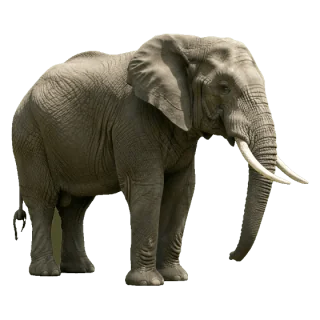
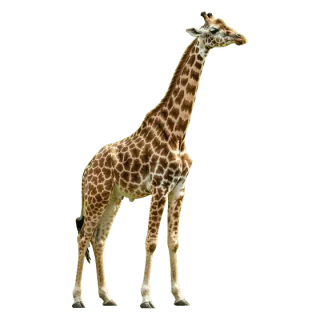
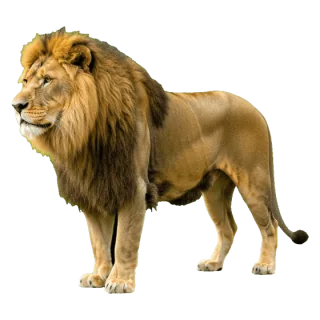
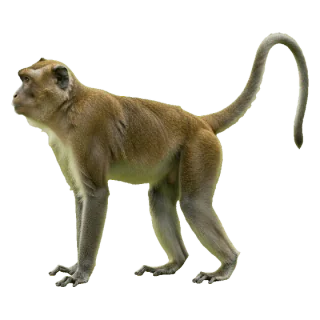
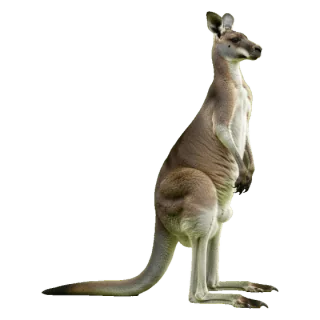
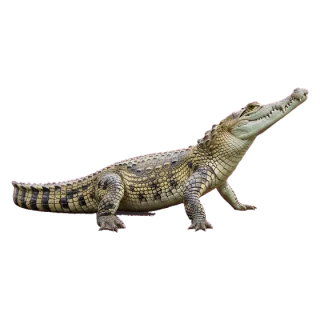
Elephant, giraffe, lion, monkey, kangaroo and crocodile. Every shadow here has one feature you cannot mistake, which makes this the sheet to start with or the one to go back to after a hard page.
Draw a line from each picture to its shadow.
What to watch for on this sheet
This is the easiest sheet even with six pairs, because every silhouette has one unmistakable feature: the trunk, the neck, the mane, the tail, the long snout. A good pick for a child who found another sheet frustrating.
How to use it
Print it and let the child work alone. This is the sheet that does not need an adult sitting next to it: every shadow has one obvious feature and most children finish it without help, which is exactly why it works as a confidence rebuilder after a harder page.
The easiest sheet in the set, and when to use it
Six pairs sounds harder than the four-pair pets sheet and it is not. Every silhouette here carries one unmistakable feature: the trunk, the long neck, the mane, the curled tail, the pouch and the long flat snout. None of them can be confused with any other, so the visual task is nearly free.
That makes it the right sheet after a frustrating one. A child who guessed their way through the farm animals and got several wrong needs a page they will finish correctly before trying again, and this is that page.
It is also the best first sheet for a child who has never done shadow matching. The concept that a black shape is the same object needs to be learned once, and it is easier to learn on shapes this distinctive.
Talking about where they live
Wild animals are the only category here where none of the six is likely to have been met in person, which changes the conversation. Instead of recall, it is about what the child has seen in books and films, and that is worth using.
| Animal | Where it lives | The feature in the shadow |
|---|---|---|
| Elephant | African grassland | The trunk, unmistakable |
| Giraffe | African savanna | The neck, taller than the body |
| Lion | Grassland and scrub | The mane, a circle around the head |
| Monkey | Forest and jungle | The curled tail |
| Kangaroo | Australian bush | The heavy tail and back legs |
| Crocodile | Rivers and swamps | Long, low and flat |
The sorting question worth asking
Once the lines are drawn, ask which of these six is not like the others. It is a genuinely interesting question because there are several defensible answers.
The crocodile is the only reptile and the only one that lays eggs. The kangaroo is the only marsupial and the only one from Australia. The monkey is the only one that climbs. A four year old will usually pick the crocodile because it looks different, and that is a fine answer for a different reason than the one an adult has in mind.
Follow it with which of these could you meet at a zoo, then which could you meet near your house. The second question quietly does the work of separating wild from domestic, which is the distinction this sheet sits inside.
Making it harder without a harder sheet
This is the easiest page in the set, which becomes a problem the second or third time a child does it. Three ways to raise the difficulty using the same printed sheet.
Cover the pictures and describe an animal instead of naming it: the one with a very long neck, the one that carries its baby in a pocket. The child has to identify it from a description and then find the shadow, which turns a visual task into a listening and vocabulary task.
Time it. Not for younger children, but a six or seven year old who finds the matching trivial will happily race themselves, and the pressure makes them stop double-checking, which is where the mistakes appear.
Ask for a reason on every line. Not just which shadow matches, but what feature proves it. Requiring the answer out loud stops the fast guesser from getting six right by elimination and makes them look at each silhouette properly, which is what the sheet was for.
Wild does not mean far away
All six animals here are from somewhere else, which quietly teaches that wild animals are exotic. They are not, and it is worth saying so at some point during the sheet.
Ask what wild animals live near your house. Depending on where you are the answers are foxes, squirrels, deer, birds of every kind, mice, hedgehogs, possums, raccoons. None of them is on this page and all of them are wild in exactly the same sense as the lion.
The distinction that actually matters is wild versus domestic, not far versus near. A wild animal finds its own food and does not depend on people. That definition covers the fox in the garden and the elephant on the sheet, and it separates both from the dog on the pets page, which is the comparison worth making.
It is also the fastest route from a printed worksheet to looking out of the window, which is where five year olds should end up more often than they do.
Questions about this sheet
Is this suitable for a child who has never done shadow matching?
It is the best first sheet on the site. Every silhouette has one feature that cannot be confused with any other, so the child learns the concept that a black shape is the same object without also having to solve a difficult match.
My child says the crocodile is a dinosaur. Should I correct it?
Worth exploring rather than correcting. Crocodiles are not dinosaurs, but they are archosaurs, which makes them a closer relative to dinosaurs and birds than to lizards. For a four year old, the useful answer is that crocodiles are alive now and dinosaurs are not.
Why are there no bears or wolves?
Because the six chosen have silhouettes that cannot be mistaken for each other. A bear and a wolf in profile are both four-legged furry animals and would make the sheet significantly harder, which defeats the purpose of this particular page.