🖨️ Shadow Matching: Fruits & Vegetables
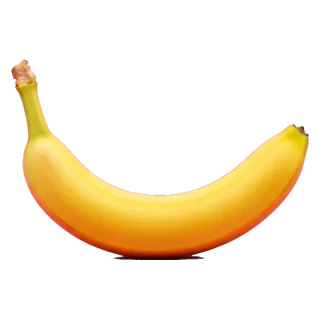
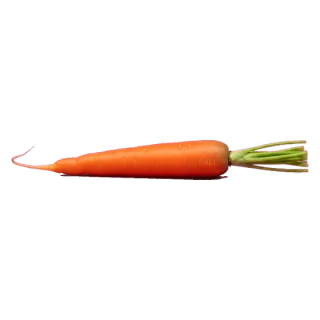
Apple, banana, orange, pear, carrot and tomato in shadow. The one category on this site that you can go and find in the kitchen five minutes after finishing the page.
Draw a line from each picture to its shadow.
What to watch for on this sheet
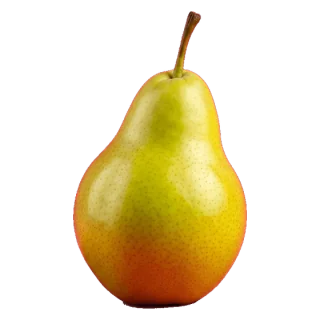
Food is the easiest theme to carry from the page into real life: the same six things show up in the fruit bowl and on the plate. Watch the pear: a child who solves by 'the round one' will go to it every time.
How to use it
Print it in the morning and follow it with a trip to the fruit bowl. Ask the child to find two of the six in real life. Nothing else on this site closes the gap between a black outline and a real object as quickly, and that connection is the actual point of the exercise.
The sheet that carries into real life
Food is the easiest theme to take off the page, because the same six things are in the fruit bowl, in the shopping and on the plate within a day of doing the worksheet.
That is worth using deliberately. Do the sheet in the morning and then ask the child to find two of them in the kitchen. The link between a drawn outline and the real object is a genuine cognitive step for a three or four year old, and food is the only category here where you can close it immediately.
In a classroom, the same trick works with a snack. A sheet done before fruit time, with the instruction to spot anything from the page, gets more attention than the sheet on its own.
The pear is the trap
A child solving by rough shape rather than by looking will go to the pear every time, because it is the one silhouette that reads as a generic blob. The apple, the tomato and the orange are all round; the pear is round-ish with a narrow top, and at a glance it can pass for any of them.
This is the useful difficulty on this page. Ask the child what is different about the top of the pear before they start. Once they are looking at the narrow end and the stalk, the sheet becomes solvable by observation rather than by elimination.
The banana and the carrot are the free ones, so if a child gets those two and nothing else, they were guessing on the rest and the sheet has told you something worth knowing.
The fruit or vegetable question, which is more interesting than it looks
Sorting the six into fruit and vegetables is the obvious follow-on and it has a genuinely good trap in it. The tomato is a fruit in botanical terms, because it grows from the flower and carries the seeds, and it is a vegetable in every kitchen in the world.
That is not a gotcha, it is a real example of two systems of classification disagreeing, and children find it satisfying rather than confusing when it is explained that way. The rule that works: if it has seeds inside and grew from a flower, a botanist calls it a fruit. Cucumbers, peppers and pumpkins are in the same position.
For younger children, skip the botany and sort by taste instead: sweet or not sweet. It produces almost the same two piles and it is a distinction they can make themselves.
Colour sorting, and a second pass at the same sheet
The silhouettes are all black, which removes colour entirely. That is what makes a second pass interesting: hand back the finished sheet and ask what colour each shadow should be. The child has to retrieve the colour from memory rather than read it off the page.
It is a small thing and it turns one printed page into two activities, which matters if you are printing for a class. Most children get five out of six and hesitate on the tomato or the apple, which are both red and both round, and the hesitation is the interesting part.
Where the food comes from
The six items on this sheet split into three growing habits, and it is a distinction most children have never been asked about. It takes two minutes and it changes how they look at a fruit bowl.
The apple and the pear grow on trees, high up, on something that has been there for years. The orange also grows on a tree, in places warm enough that most children have not seen one. The tomato grows on a plant about waist high that is planted and pulled up in a single summer. And the carrot grows entirely underground, which is the one that reliably surprises them: the part we eat is the root, and the leafy top is what you see in a garden.
Ask which one they would find if they dug a hole. Then ask which one they would need a ladder for. Those two questions cover the whole spread and children remember them, largely because digging and ladders are more interesting than the answer.
If you grow anything at all, even a tomato plant in a pot, this is the sheet to do the week it fruits.
Questions about this sheet
Is a tomato a fruit or a vegetable?
Both, depending on who is asking. Botanically it is a fruit, because it grows from the flower and contains the seeds. In cooking and in every shop it is a vegetable. Cucumbers, peppers and pumpkins are in the same position, and children find the disagreement satisfying rather than confusing.
Which one do children get wrong most often?
The pear. It is the only silhouette that reads as a generic round-ish blob, so a child solving by overall shape rather than by looking will go to it every time. Pointing out the narrow top and the stalk before starting turns it into a real match.
Can I use this to encourage a fussy eater?
Not directly, and claiming otherwise would be overselling a worksheet. What it does do is make the names and shapes familiar, and familiarity is a small part of the picture. Finding two of the six in the kitchen afterwards is the part with any real effect.