🖨️ Shadow Matching: Pets
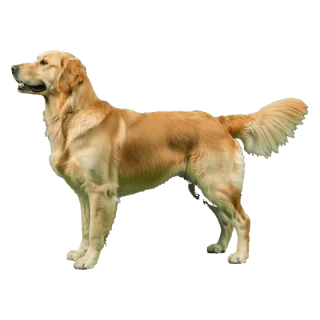
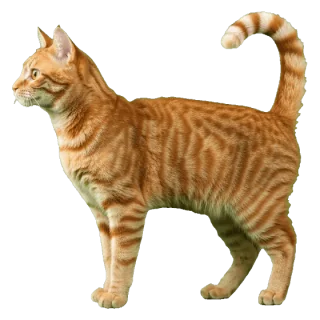
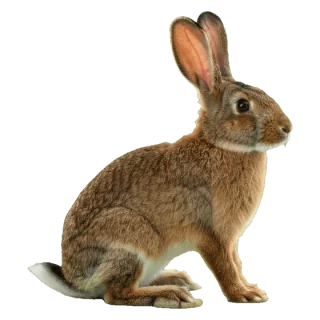
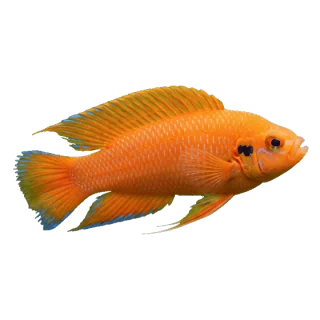
Dog, cat, rabbit and fish, spaced out with room to draw. Four pairs instead of six, for younger children and for the end of the afternoon when a longer sheet would not get finished.
Draw a line from each picture to its shadow.
What to watch for on this sheet
Only four pairs and a lot of air around them, so it suits the youngest kids and anyone who tires quickly. These are also the animals a child has most likely met in real life, which makes naming them out loud come naturally.
How to use it
Print it and talk while they draw. With only four pairs the matching takes about a minute, so the value is in the conversation around it: which one you have, which one needs a walk, which one you would choose. Stop while they are still interested rather than reaching for a second sheet.
Four pairs, and why fewer is sometimes the right choice
This is the shortest sheet on the site and it is deliberate. Four pairs with a lot of white space around them suits a three or four year old, a child who tires quickly, or anyone at the point in the afternoon where a six-pair page would end in a scribble.
A shorter sheet finished properly beats a longer sheet abandoned halfway. That sounds obvious and it is the opposite of what most printable sites optimise for, because more items looks like better value on a listing page.
The generous spacing also matters for the physical task. Drawing a line across a crowded page requires more control than a four year old has, and a sheet where the lines cross and tangle reads as failure even when every match is right.
The one category the child has probably met
Pets are the only set here where the child may well have the real thing at home, and that changes what the sheet is good for. Recognition is nearly automatic, so the value moves to the talking.
Useful questions while the lines are being drawn: which of these do you have, which would you like, which one is the loudest, which one needs a walk. The last one starts a conversation about care rather than appearance, which is where the actual learning is with this category.
For a child with a pet, ask them to draw theirs on the back. A dog on the sheet and their dog on the back are visibly different, and noticing that is a more sophisticated observation than matching a shadow.
Care vocabulary, which is what pets are actually for
Every one of these four animals comes with a set of verbs, and they are more useful than the nouns because they are the part that transfers to responsibility.
| Pet | Where it sleeps | What it needs daily |
|---|---|---|
| Dog | A bed or a basket | Food, water, a walk |
| Cat | Anywhere it likes | Food, water, a clean tray |
| Rabbit | A hutch | Hay, water, space to hop |
| Fish | A tank | Food, clean water |
Moving up when four pairs stop being a challenge
The signal to move on is speed rather than accuracy. A child who finishes four pairs correctly in under a minute is not being stretched, and the next step is the farm animals sheet, which has six pairs and one genuinely confusable pair.
Do not jump straight to transportation. That sheet contains silhouettes that are mostly empty space, which is a different and harder kind of looking, and it is the one where children who found everything else easy come unstuck.
Doing it with a two or three year old
Below about three, drawing a line from one side of a page to the other is genuinely difficult, and a sheet that ends in a scribble teaches a toddler that worksheets are something they fail at. The activity still works, but the pencil has to go.
Cut the page in half down the middle. Now you have four pictures and four shadows as separate pieces, and the child matches them by putting them next to each other. Same visual task, no fine motor requirement, and physically moving the pieces holds attention far longer than drawing does.
Or point instead of drawing. Ask which shadow belongs to the dog and let them point. It takes thirty seconds, it is genuinely a matching exercise, and it can be done four times in a week without any of the resistance a pencil task produces.
Come back to the pencil version a few months later. The looking is the skill being built, and the drawing is just how an older child records it.
The fish is the odd one out, on purpose
Three of these animals are furry, four-legged and can be held. The fourth lives in water and cannot be touched, and including it changes what the sheet is for.
In silhouette the fish is the easiest match on the page, which makes it a good confidence anchor for a nervous child: there is always one they will get instantly. But the interesting part is the conversation it starts, because the question of whether a fish is a pet in the same way a dog is has no clean answer and children have strong opinions about it.
The practical version of that question is which one needs you most. A dog needs walking, company and attention every day. A fish needs feeding and clean water. Both are looking after an animal and the amount of work is very different, and a child who works that out has understood something about responsibility that no amount of being told would have achieved.
Questions about this sheet
Why only four pairs when the other sheets have six?
Because it is aimed at younger children. Four pairs with generous spacing suits a three or four year old, both for attention span and for the physical business of drawing a line across a page without the lines tangling.
My child does not have a pet. Does the sheet still work?
Yes. Recognition of dogs, cats, rabbits and fish comes from books and screens long before it comes from ownership. If anything the conversation is better, because which one would you choose is a more interesting question than which one do you have.
When should we move on to a harder sheet?
When the four pairs are finished correctly in under a minute. Speed rather than accuracy is the signal. Go to the farm animals next, which has six pairs and one genuinely confusable pair, and leave transportation until later.